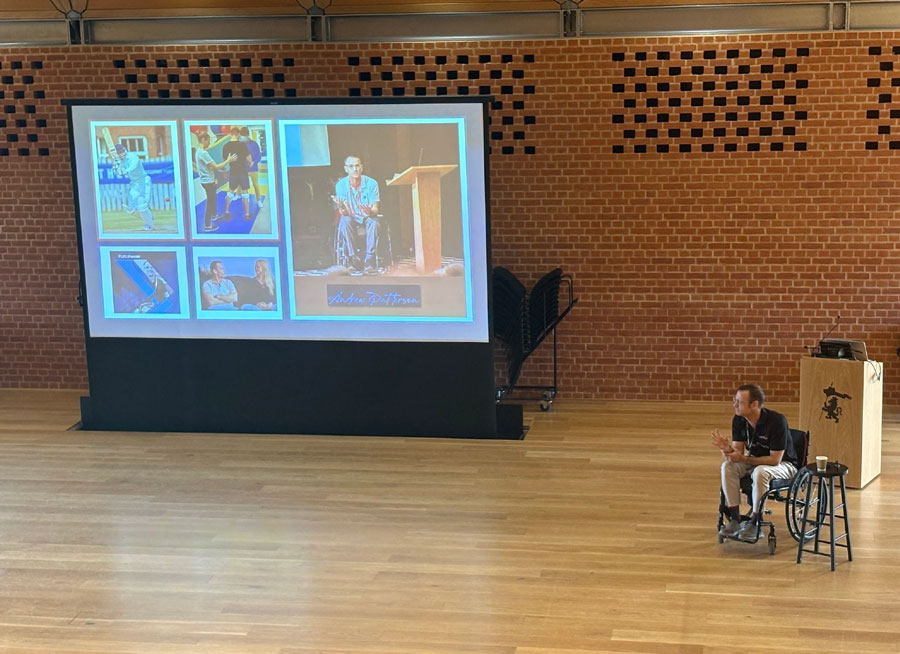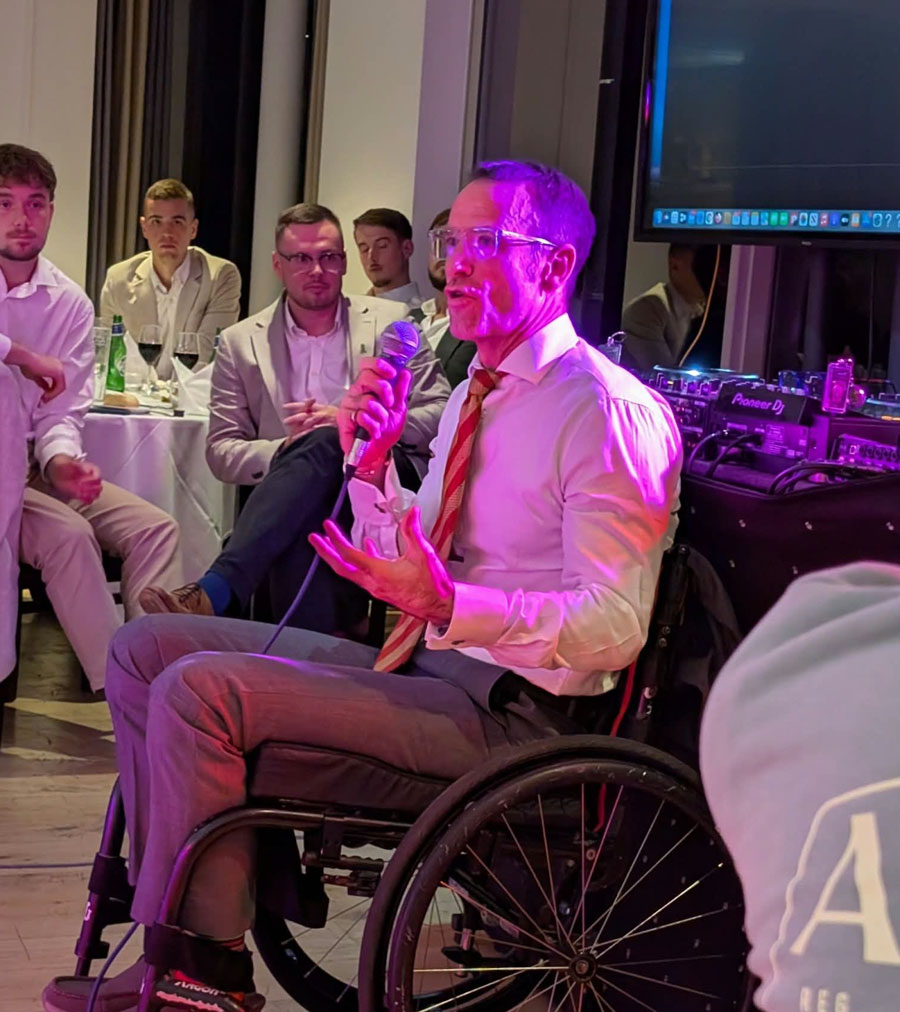
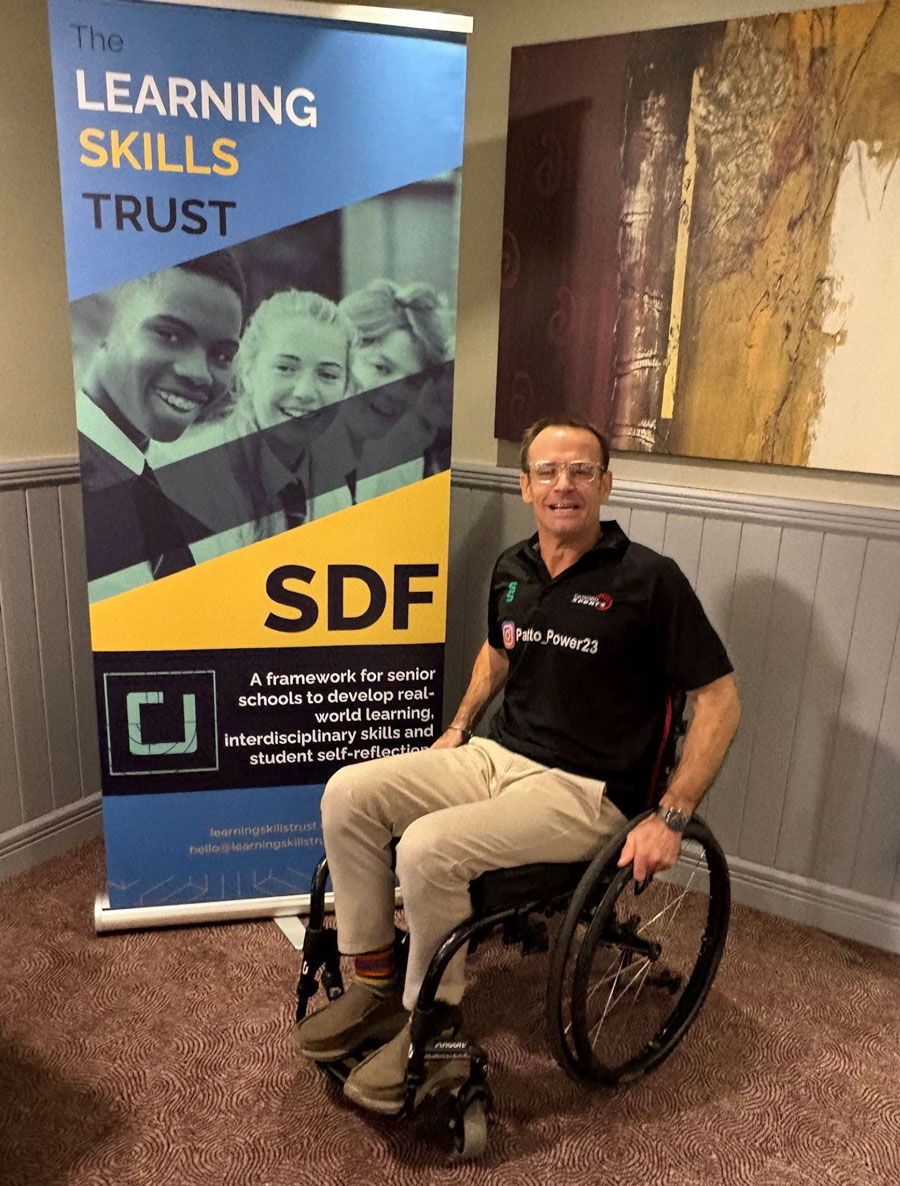
I was delighted to deliver my keynote, “Resilience Is a Skill,” for The Learning Skills Trust, an inspiring gathering of educators and school leaders united by a shared ambition: to give young people the skills they need to thrive in an increasingly complex world.
Having spent 24 years working in education, including significant experience in pastoral roles, resilience is a subject I care deeply about.
But my understanding of resilience doesn’t just come from my professional experience.
It comes from having to live it.
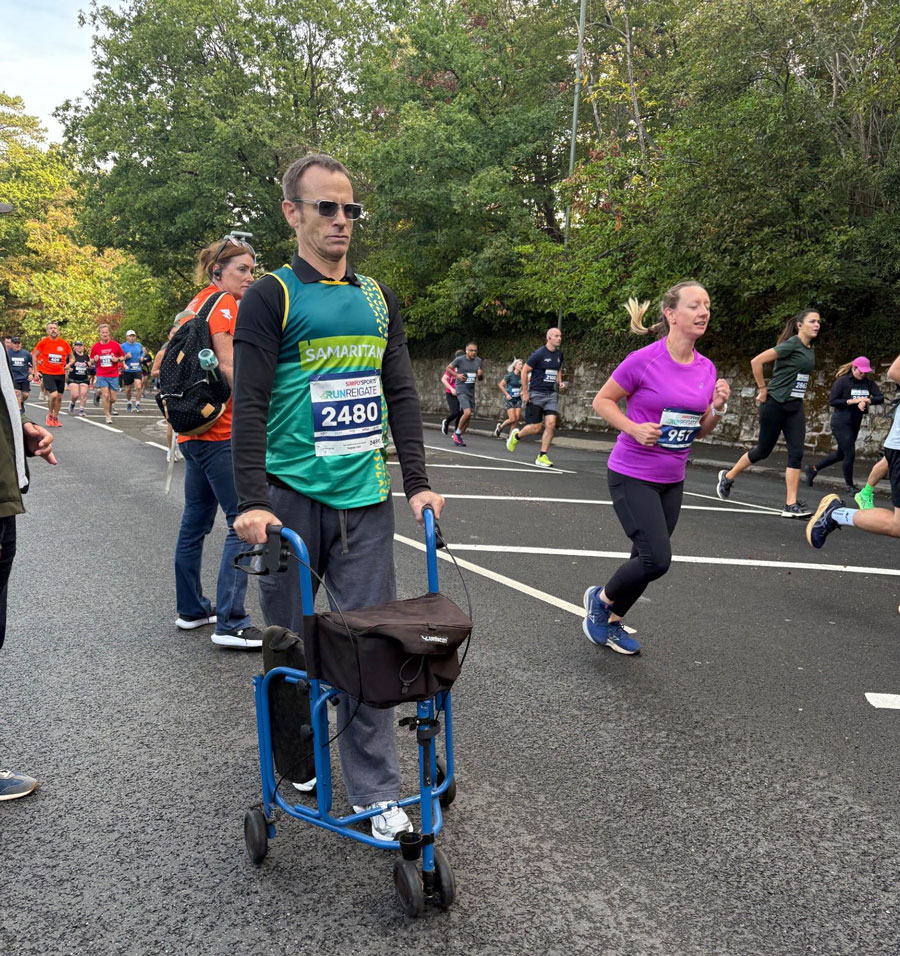
My own journey has taken me from international sport and a career in education to becoming a wheelchair user after being diagnosed with a neurological condition. I have had to navigate uncertainty, setbacks and a future that looked very different from the one I had originally imagined.
That experience has taught me something fundamental:
Resilience isn’t about pretending everything is fine. And it isn’t simply about being positive.
It is about how we respond when life doesn’t go to plan.
It is about finding perspective when things become difficult, understanding what we can control, and discovering purpose when the path ahead looks very different from the one we expected.
Most importantly, resilience is a skill.
And if it is a skill, it is something we can teach, practise and strengthen.
Preparing young people for life
One of the things I found particularly inspiring about The Learning Skills Trust event was the genuine collaboration between educators.
Alongside my keynote, delegates heard from an excellent line-up, including:
- Sarah Fletcher – The future of education in an AI world
- Victoria Bagnall – Becoming a neuroinclusive educator
- James Nichols – Politics in prep schools
- David Higginson – The value of esports in schools
- Jon Marler – PSB in action and the story of Pennthorpe Innovation Week
The openness and willingness to share ideas was a real highlight.
Because education has to be about more than academic achievement.
Of course, exams matter.
But so does preparing young people to handle setbacks, manage pressure, adapt to change, navigate uncertainty, build relationships and keep going when things become difficult.
Those are life skills.
And they are skills young people arguably need more than ever.
Why resilience matters in schools
My work with schools is built around making resilience practical and relatable.
I don’t believe young people need another lecture telling them to “be resilient”.
They need to understand what resilience actually looks like and, more importantly, what they can do when they experience pressure, disappointment, failure or uncertainty.
Through my keynotes and workshops, I share practical tools and ideas built around three key areas:
Perspective – How big is the problem really? What can we learn from what is happening?
Response – What can we control, influence or accept, and how do we choose to respond?
Purpose – What gives us a reason to keep moving forward when things become difficult?
These principles have helped me navigate my own challenges, but they are equally relevant to young people, teachers, leaders and organisations.
Resilience is something we can build
A major part of my message is challenging the idea that some people are simply “naturally resilient”.
I don’t believe resilience is a personality trait reserved for the lucky few.
Resilience is a skill.
And like any skill, it can be developed through practice.
If we can help young people build that skill before life tests them, we give them something that can serve them long after they leave the classroom.
That is why events such as The Learning Skills Trust gathering are so valuable.
When schools collaborate, share ideas and look beyond traditional measures of success, we create better opportunities for young people to develop not only academically, but personally.
A huge thank you to Mark Richards for facilitating such an inspiring event, and to everyone involved in creating an environment where educators could learn from one another.
It was also fantastic to reconnect with Jon Marler, meet Gregg Davies in person, and a special thank you to Rebecca Morris for keeping everything running smoothly, everyone needs a Becky! 😂
I left the event feeling energised, optimistic and even more convinced that resilience needs to be part of the conversation in every school.
Because ultimately, our job isn’t just to prepare young people for their next exam.
It’s to help prepare them for life.
And resilience is one of the most important skills we can give them.